Is Dwarf Gardenia Radicans Deer and Rabbit Resistant?
You buy a flat of groundcover because the tag says deer resistant, plant it along a wooded edge, and find it grazed to stubs by midsummer. The replacement planting costs as much as the first one, plus another season of waiting for a mat that spreads 2 to 3 feet. The label was not wrong. It was incomplete.
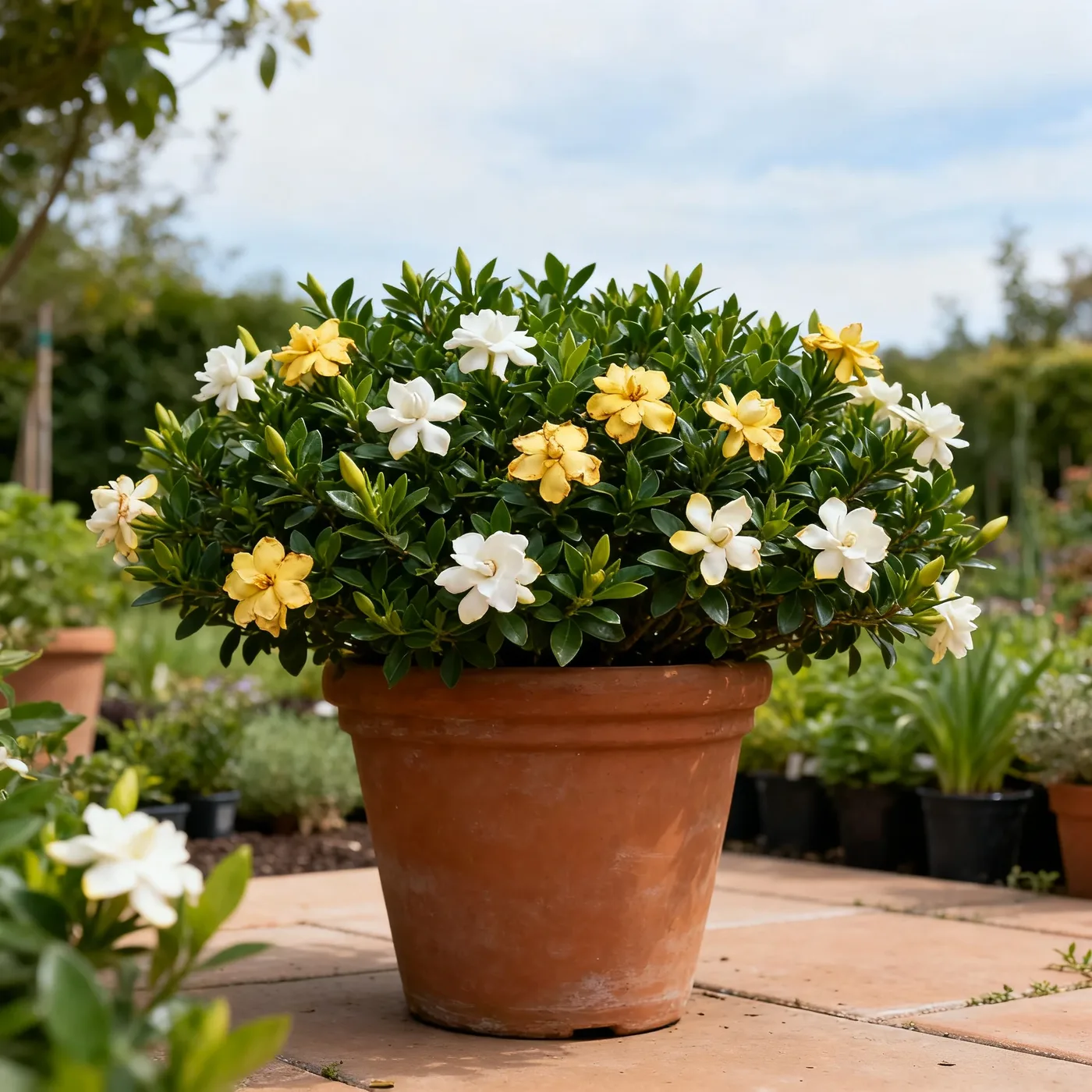
Dwarf Gardenia Radicans (Gardenia jasminoides 'Radicans') sits at the low end of its genus, and a rating earned by tall gardenias does not transfer cleanly to a plant that lies at ankle height.
In this article, we'll go through what the resistance ratings actually claim, why rabbits and the low habit change the answer, and how to budget protection over several years so one hungry winter does not cost you the bed.
Believing Deer Ignore Dwarf Gardenia Radicans Entirely
Picture a bed of ten plants where nine stand untouched and the tenth has ragged, torn tips. That is what resistance looks like in a real yard: uneven, and tied to one animal on one night rather than to any rule. The belief that deer skip this plant completely is not something the ratings say.
The wording matters. This cultivar is deer resistant but not frost tolerant, and Clemson says gardenias are considered deer resistant shrubs, which is a statement about the whole genus. "Resistant" ranks how often deer pass a plant over. It does not promise they will.
Colorado State extension is blunt about this: a hungry deer will find almost any plant palatable, so no plant is "deer proof." The same page adds that a plant may be damaged rarely in one area and severely in another.
What we tell customers is to read "deer resistant" as "lower on the menu." Your woodlot, your neighbors' plantings and your winter decide what lower means. Before you buy, look at what deer already eat on your property. If the hedge next door is chewed, assume the rating will be tested.
Does Dwarf Gardenia Radicans Taste Bad to Rabbits?
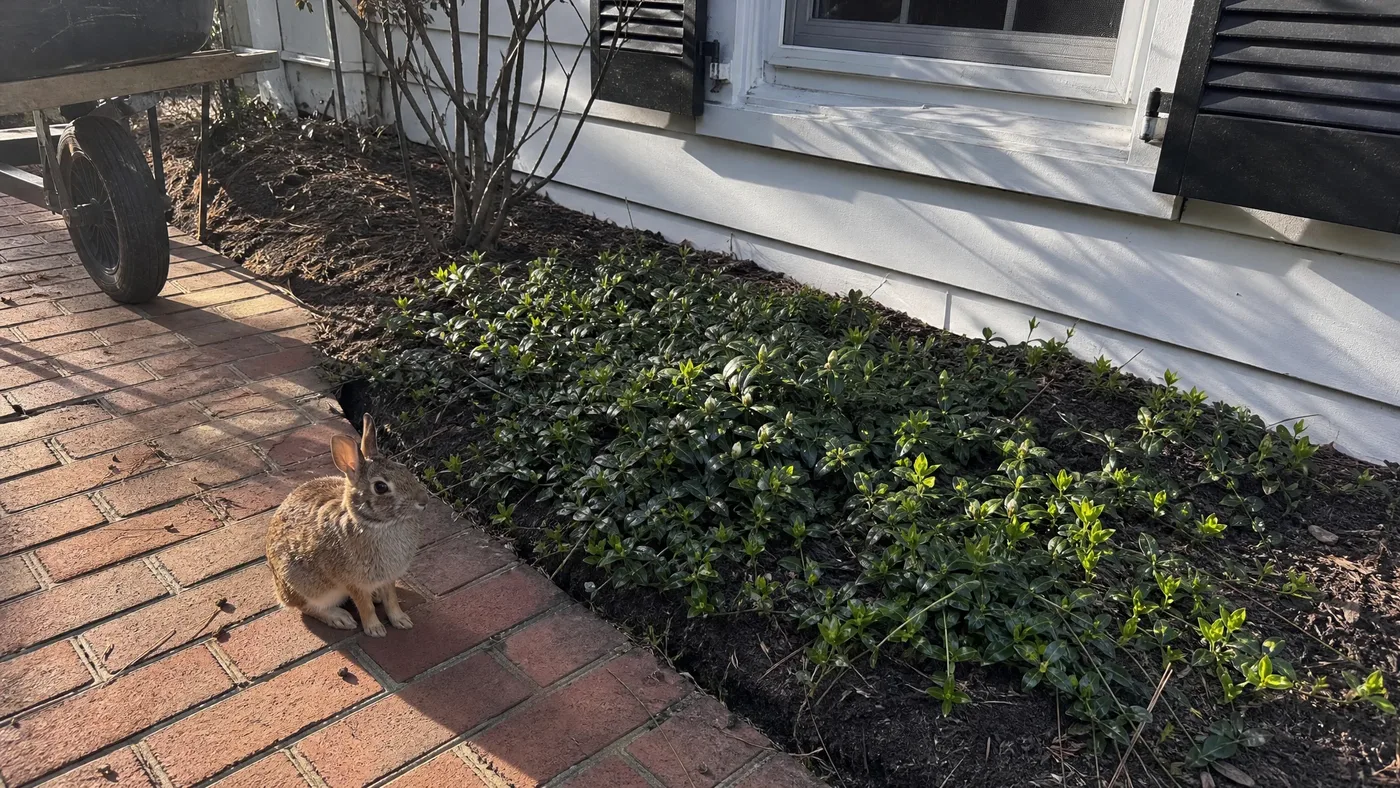
Rabbit damage on a mat-forming plant shows up at the outer edge, where stems trail across the ground and are the easiest thing to reach. Many buyers assume the deer rating covers rabbits too. It does not, and that gap is where most of the surprises happen.
What the Ratings Cover
This cultivar has a deer rating, but none of the sources we rely on rates rabbit resistance for Radicans specifically. No list is foolproof, and a hungry animal will eat just about anything, including poisonous plants. So treat rabbit resistance as unproven, not as a bonus.
Toxic Is Not the Same as Untouched
Gardenia is listed as toxic to dogs, cats and horses, and some people read that as a built-in rabbit deterrent. We would not lean on it. Toxicity tells you what happens if an animal eats the plant, not whether it tries one bite first. Our guide on toxicity to dogs and cats covers what the sources do say.
Our position: settle this with a small test. Young, freshly planted stems are the softest growth you will have, so watch the first season closely. If rabbits leave a new planting alone through its first winter, you have local evidence worth more than any list.
Low Growth Makes Dwarf Gardenia Radicans an Easy Target
An upright gardenia can lose its lowest branches to a passing deer and still stand there with a full canopy. A mat that grows 6 to 12 inches tall (Clemson) or up to 18 inches (NC State) has no spare height. Everything it owns is already within easy reach, so the same bite does proportionally more harm.
Compare that with the species, which the Arkansas extension service describes as often 6 to 8 feet tall, though many cultivars stay under 2 feet. Most of the "gardenias are deer resistant" advice was written with the tall shrub in mind. Groundcover and shrub are not equally safe just because they share a genus.
Exposure Matters More Than Height Alone
Spread is the second problem. At 2 to 3 feet wide, one plant offers a broad, flat feeding surface, and a border of them gives an animal a long uninterrupted row. Placement near a woodland edge, where deer and rabbits travel, raises the odds more than any single trait of the plant. Our guide on how big Dwarf Gardenia Radicans gets shows how quickly the mat fills in.
Growth rate is only medium, so recovery from grazing is not fast. A plant cut back in July may not look right until the following summer. For us, that slow rebuild is the real cost of exposure.
If you must plant near trees, put the mat on the house side of the bed, not the woods side.
Resistant Does Not Mean Immune Over Ten Years
A bed can go three summers without a nibble and then be hit in the first dry, cold winter. People take those quiet years as proof. They are really just years when deer had easier options. One of the most common questions we get is whether a plant that has never been touched is safe for good, and our answer is no.
Hunger Sets the Odds
The University of Minnesota extension notes that deer will eat almost any plant if they are under enough stress, but avoid less tasty plants under most conditions. Stress can mean a hard winter, drought, a growing herd or new building that removes nearby forage. Gardenia is a broadleaf evergreen, so it stands green when much else is bare.
Season Decides When
Late winter is when we would expect pressure to peak, and it is also when Radicans is weakest. It is not very cold hardy and suits only zones 7b to 8b, so a frost-scarred mat is both less able to recover and more likely to be sampled. Our guide on winter care in cold climates helps you avoid giving deer a reason to look twice.
So re-check the rating every year, not once at planting. If your local conditions change, your protection should change with them.
Fencing and Repellents Against Replacement Costs
A roll of hardware cloth looks like an expense until you set it beside the cost of replacing a mat plant by plant, with a season of bare ground in between. The belief that barriers are not worth it usually comes from comparing the fence to the cheap price of one plant, not to the loss of a whole bed.
Common advice says to choose a resistant plant and skip protection. For a low groundcover next to woods, we disagree. Fencing of chicken wire, hardware cloth or netting at least two feet high, buried 4 to 8 inches, is fairly effective against rabbits, and a mat only 6 to 18 inches tall fits comfortably behind it.
Deer are a different budget. Adequate fencing is the only sure way to control deer damage, and Minnesota says fences need to be at least 8 feet tall to protect larger areas. That makes sense for a large planting and little sense for a handful of plants. Sprays can reduce appeal, but no extension source we rely on treats them as sure.
The first seasons are when a low fence earns the most. A young mat is thin and soft, and a bite that a mature plant shrugs off can set a new planting back a full year.
| Measure | Guards against | When it pays |
|---|---|---|
| Low fencing, 2 feet high, buried 4–8 inches | Rabbits | New plantings and small beds |
| Fencing at least 8 feet tall | Deer | Large plantings under steady pressure |
| Repellent sprays | Deer and rabbits, partly | A supplement during risky months |
| Replacement reserve | Any loss | Every bed, every year |
Companions That Protect Dwarf Gardenia Radicans Beds
A tempting plant two feet from the gardenia can pull deer into the bed and put the mat in their path. The belief that any neighbor will do ignores that. The better approach is to consider planting deterrent plants surrounding the more delectable plants, and that works in both directions.
Strongly scented or toxic plants are the ones to look for, though we would not expect any of them to be absolute. The same extension warns that hungry animals eat poisonous plants too. Use your state's extension deer-resistant list for your area, since ratings shift by region.
Choosing a Neighbor
Start with what the gardenia itself needs, because a companion that fails leaves a gap exactly where you wanted protection.
- Match the soil first. Radicans wants acidic ground below pH 6.0, moist but well drained, so a neighbor that needs alkaline or dry soil will fail or cause trouble. See soil and pH for Dwarf Gardenia Radicans.
- Match the light. Aim for light to partial shade with morning sun and afternoon shade, and companions should share that.
- Leave room for the mat. It spreads 2 to 3 feet, so a crowded neighbor will either be smothered or shade the gardenia out.
- Keep favorite deer foods out of the same bed, and put them near the house if you grow them at all.
- Put the strongest deterrents on the woods side, so animals meet them before the gardenia.
Planning Deer Pressure Around Dwarf Gardenia Radicans
Think of this plant as a ten-year asset with a few risky winters in it. The planting cost is paid once. Protection is a small recurring cost, and the replacement reserve is what you hope not to spend. Planned this way, a bad year is a line in the budget, not a surprise.
- Year one: plant on the house side with the soil prepared as in how to plant Dwarf Gardenia Radicans, and fence it at rabbit height from the start.
- Years two and three: watch the mat's edges in late winter. Note which damage appears, from which animal, and when.
- Year four onward: if pressure is light, keep the low fence and skip anything taller. If it is heavy, decide whether a taller barrier makes sense for the size of your planting.
- Fallback: if a section is lost, replace it with fencing already in place, and wait for the medium growth rate to fill the gap before you judge the result.
That order spends the least first and adds cost only when your own yard proves it is needed.
Budgeting Protection for Dwarf Gardenia Radicans
Dwarf Gardenia Radicans is deer resistant, not deer proof, and rabbits are an open question. Its 6 to 18 inch height puts it at browse level, and a rating that holds for years can fail in one hungry season. Fencing is the dependable tool, companions help, and slow recovery is what makes a loss expensive.
A rough yearly rule: set aside a small sum for protection and a small reserve for replacement.
Dwarf Gardenia Radicans
Nursery-grown Dwarf Gardenia Radicans in sizes from 1 Gallon, shipped to your door.
From $36.97
Shop Now →Deer and rabbits are easier to out-wait when the plant is strong, so we raise our Dwarf Gardenia Radicans in acidic soil that drains freely, out of the afternoon heat. We are a small business that grows its own top-quality plants. Browse what is in stock now and choose the one you will protect with the plan in this guide.