Is Dwarf Gardenia Radicans Grafted or Own-Root?
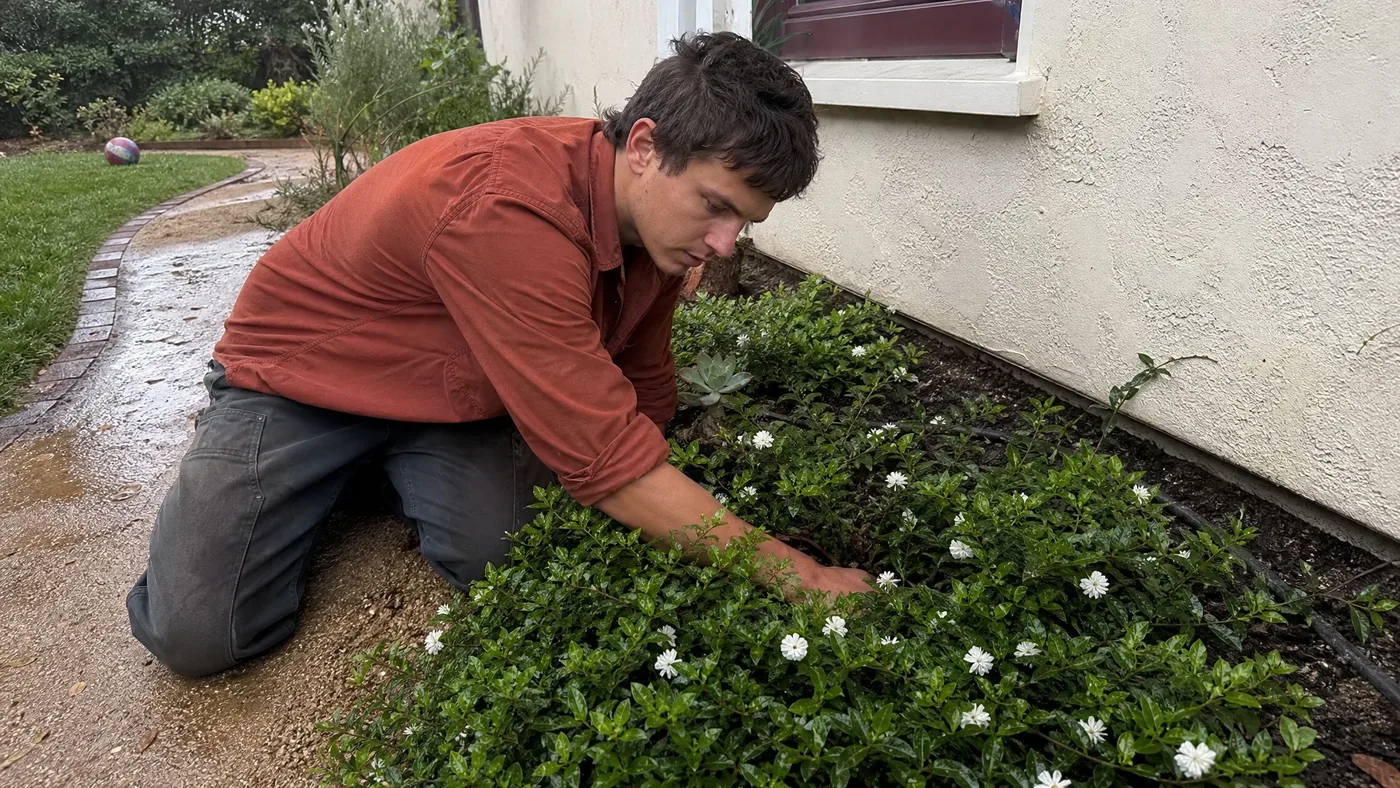
Two inches of stem above the soil line is enough to read the whole history of a Dwarf Gardenia Radicans. Picture it in March, after a hard January freeze. You pull back the mulch and find fresh shoots, but they are too tall and the leaves are too large. That is the moment many owners learn their plant was grafted. Get this wrong and a freeze can trade your 6 to 12 inch mat for a different shrub.
This article talks about grafted and own-root Dwarf Gardenia Radicans and answers the questions customers ask us most. Read on to learn how roots shape a shrub, how to find and read a graft union, how to spot and remove rootstock shoots, how deep to plant each type, and which one we would choose for your climate and budget.
How Roots Decide What a Shrub Can Do
A shrub is two systems joined at the soil line. The stems and leaves decide how the plant looks. The roots decide how hard it can work: how much water and food reach the top, how it copes with soil pests, and how fast it fills out. On most plants one set of genes runs both halves. A graft splits them, and from then on the top and the bottom can disagree.
The top of this cultivar is the unusual part. Clemson lists Radicans at only 6 to 12 inches tall with a 2 to 3 foot spread, against 4 to 8 feet for the species. That low mat is the reason anyone buys it.
Hardiness follows the same split. NC State rates Radicans for zones 7b through 8b, while the species runs 7b through 11b. We go through those numbers in our zone guide.
Cold hits stems first. Roots sit in insulated soil, so a freeze can kill the top and leave the root system alive and pushing new shoots. What grows back then depends on what the surviving buds are made of. On an own-root plant, every bud carries Radicans. On a grafted plant, buds below the union carry the rootstock.
Why Growers Grafted Dwarf Gardenia Radicans Exist
Grafting joins a cutting of the cultivar, called the scion, to the roots of a different gardenia, called the rootstock. UF/IFAS describes the Florida method. The scion goes onto a rooted cutting or seedling of Gardenia thunbergia, about 6 inches tall and pencil-thick, and splice and inverted saddle grafts work best. The result is one plant with two identities, joined at a scar called the union.
What the Rootstock Adds
Two things. The first is vigor. Grafted gardenias are usually more vigorous and flower more heavily than own-root plants. A grower with a slow little cultivar can graft it to reach salable size sooner. The second is pest resistance. Gardenia thunbergia resists nematodes, and grafting onto resistant rootstock is a best practice in central and south Florida.
What It Costs You
Cold tolerance. The same publication says grafted plants are not cold hardy below 28°F. That figure covers Florida gardenias in general, not Radicans alone, but Radicans is already close to its cold limit.
One of the most common questions we get is whether a plant this small is ever grafted. Some are, and nothing on the pot tends to say so. We do not call grafting bad. It is a tool for speed and for nematode soil. On a low spreader meant for a 7b or 8 bed, it adds a weak point you then have to manage.
Finding the Union on Your Dwarf Gardenia Radicans
Look at the lowest few inches of stem, right where it enters the soil. Brush away any top dressing or mulch first. A union shows up as a swelling, a step in stem thickness, or a diagonal scar where two pieces healed together. Bark color often changes at that line too. Everything above it is the scion. Everything below is rootstock.
This table sets the two root types side by side so you can check a plant in a few seconds.
| What you check | Grafted | Own-root |
|---|---|---|
| Base of the stem | Swelling, step or diagonal scar above the soil | Smooth, gradual flare into the roots |
| Stem above and below | Different thickness or bark color | Same thickness and color |
| Shoots from low on the stem | Possible, and unlike the top growth | All shoots look the same |
One caution. A cutting-grown plant can show a small knuckle where the original cut was stuck, and it can look like a union at first glance. Judge by the change in thickness and the diagonal scar, not by a bump alone.
Before you pay, ask to see the base of the plant. If the seller cannot tell you, plant it as if it were grafted. Setting an own-root plant a little high does little harm, but burying a union does.
Own-Root Dwarf Gardenia Radicans From Cuttings
An own-root plant begins as a tip cutting. Softwood tip cuttings can be taken any time of year but root best in June, July and August. Use rooting hormone and keep them under mist, or in a bagged pot, for 6 to 8 weeks. We lay out the steps in our guide to propagating Radicans from cuttings.
What you get is one plant from top to bottom. Every shoot, at any height, is Radicans. If a freeze cuts it to the ground, it regrows the same low mat from the crown. Nothing underground can stage a takeover.
The trade is vigor. In Florida, own-root gardenias flower less and fill out more slowly than grafted ones, and they have no nematode resistance of their own. In soil with a known nematode problem, that matters.
Common advice says to buy the most vigorous plant you can find. For a ground cover whose whole value is staying under a foot tall, that advice backfires. You are not shopping for vigor. You are shopping for a plant that stays true to its habit after a hard winter.
Suckers, Bulges and What Rootstock Growth Means
A sucker is a shoot that grows from the rootstock, below the union. The union itself will always look a little swollen, and that is normal healing tissue, not disease. The shoots are what you need to watch.
Recognizing a Sucker
The rootstock is a different gardenia, and a more vigorous one. Its shoots tend to grow upright and fast, with leaves that differ in size or shape from your Radicans. They quickly stand taller than the 6 to 12 inch mat around them. We often see owners mistake a sucker for a burst of healthy growth and feed it.
The test is location. Follow the shoot down with your finger. If it comes out below the union, it is rootstock. If it comes out above, it is your Radicans.
Removing It Cleanly
Do it as soon as you see one. A sucker left to grow pulls energy from the slower scion and will eventually shade it out.
- Trace the shoot down to where it leaves the rootstock, scraping soil back if you need to.
- Cut it flush with the stem or root it grew from, using clean pruners. A stub will resprout.
- Where it grows from a root, pull it free rather than snipping it above ground.
- Check the base again every few weeks through the growing season.
After a freeze, the same rule applies. When the branches of a grafted plant freeze, it can re-sprout from above the graft if the trunk was protected. If the union itself dies, new growth can only come from the rootstock.
Planting Depth Rules for Each Root Type
Depth is where root type matters most. The two rules differ because each plant has a different weak point. The rule for an own-root plant protects the crown from wet soil. The rule for a grafted plant protects the union.
- Own-root: set the top of the root ball level with the surrounding soil, never deeper than it grew in the pot. Clemson notes that root rots appear mostly in poorly drained soils, and a low crown in heavy ground holds water.
- Grafted: set the plant so the union stays visible above the soil line and clear of mulch. A buried union can let the scion root on its own, which defeats the purpose of the rootstock, and it keeps a weak point damp.
Both types want a 3-inch layer of organic mulch over the root zone. On a grafted plant, pull that mulch back from the stem so the union stays exposed. Our full walk-through is in how to plant Radicans for best results.
In late fall, reverse the grafted rule. Mound loose mulch or soil over the union to insulate it, then pull it back in spring. One- to two-foot mounds are the usual advice for tree trunks, which is out of scale for a plant this size, so scale it down to cover the base. More cold-season detail is in our winter care guide.
Choosing Between a Grafted and an Own-Root Dwarf Gardenia Radicans
Our pick for most buyers is own-root. This cultivar lives at the edge of its range, so the plant that regrows true from the crown after a hard winter is the safer one. Mississippi State says dwarf gardenia can survive most winters in 7b, and that means some winters it will not. When the top dies, own-root comes back as Radicans. A grafted plant may come back as something else.
Choose grafted only if you are gardening in central or south Florida soil with nematodes, where resistant rootstock is recommended. There the root protection outweighs the risk.
| Factor | Grafted | Own-root |
|---|---|---|
| Vigor | Higher in Florida trials | Slower, steadier |
| Nematode soil | Resistant rootstock helps | No protection |
| Freeze kills the top | Risk of rootstock replacing Radicans | Regrows as Radicans |
| Upkeep | Watch for suckers, keep union exposed | Nothing extra |
On budget, grafting adds a production step, so a grafted plant often carries a higher price. If you are paying for one, make sure you have a reason. Our guide to container sizes helps you judge what a given price should buy.
Reading the Base of Your Dwarf Gardenia Radicans
A plant this low hides its history in the bottom few inches. Grafted plants grow faster and can resist nematodes, but they are less cold hardy and carry the risk of rootstock shoots. Own-root plants stay true to the Radicans habit through any winter that leaves the crown alive. Unless you have nematode soil, own-root is the safer choice. Check for a union at the base before paying, and plant the way the roots dictate.
Dwarf Gardenia Radicans
Nursery-grown Dwarf Gardenia Radicans in sizes from 1 Gallon, shipped to your door.
From $36.97
Shop Now →Dwarf Gardenia Radicans lives in our beds in acidic soil under pH 6.0, with light to partial shade and sun in the morning. We check the base of every plant before it goes out, so we know exactly what roots it is standing on. Since we are a small grower-run business that only ships plants we would plant ourselves, come and see which ones we have ready for you.