Dwarf Gardenia Radicans vs Kleim's Hardy: Which Is Hardier
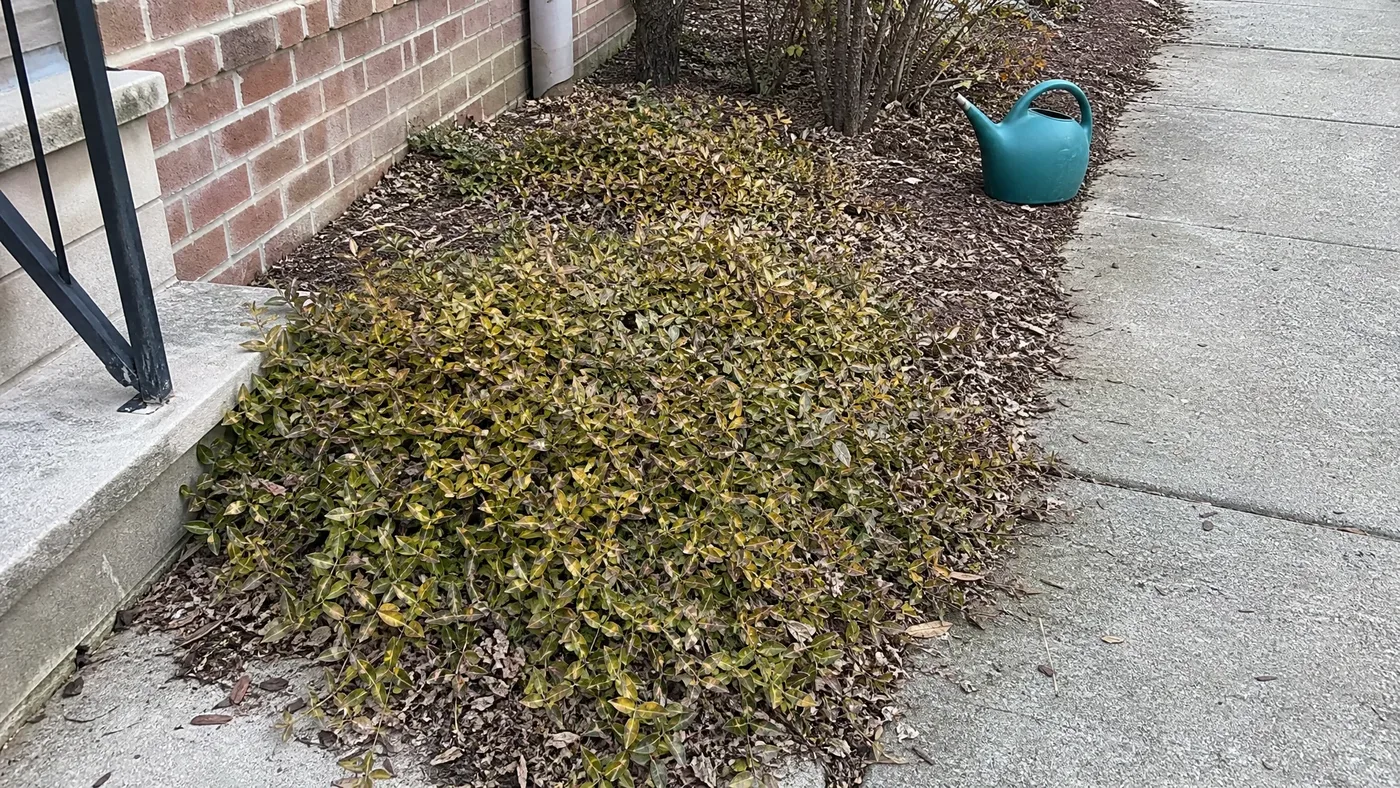
The thermometer on the fence read 10°F that January morning. By afternoon the glossy leaves on the low gardenia beneath it had turned brown and limp, and the question every gardener asks came next: what did you lose, a few leaves or the whole plant? The answer depends on which gardenia you planted and how cold your bed really gets.
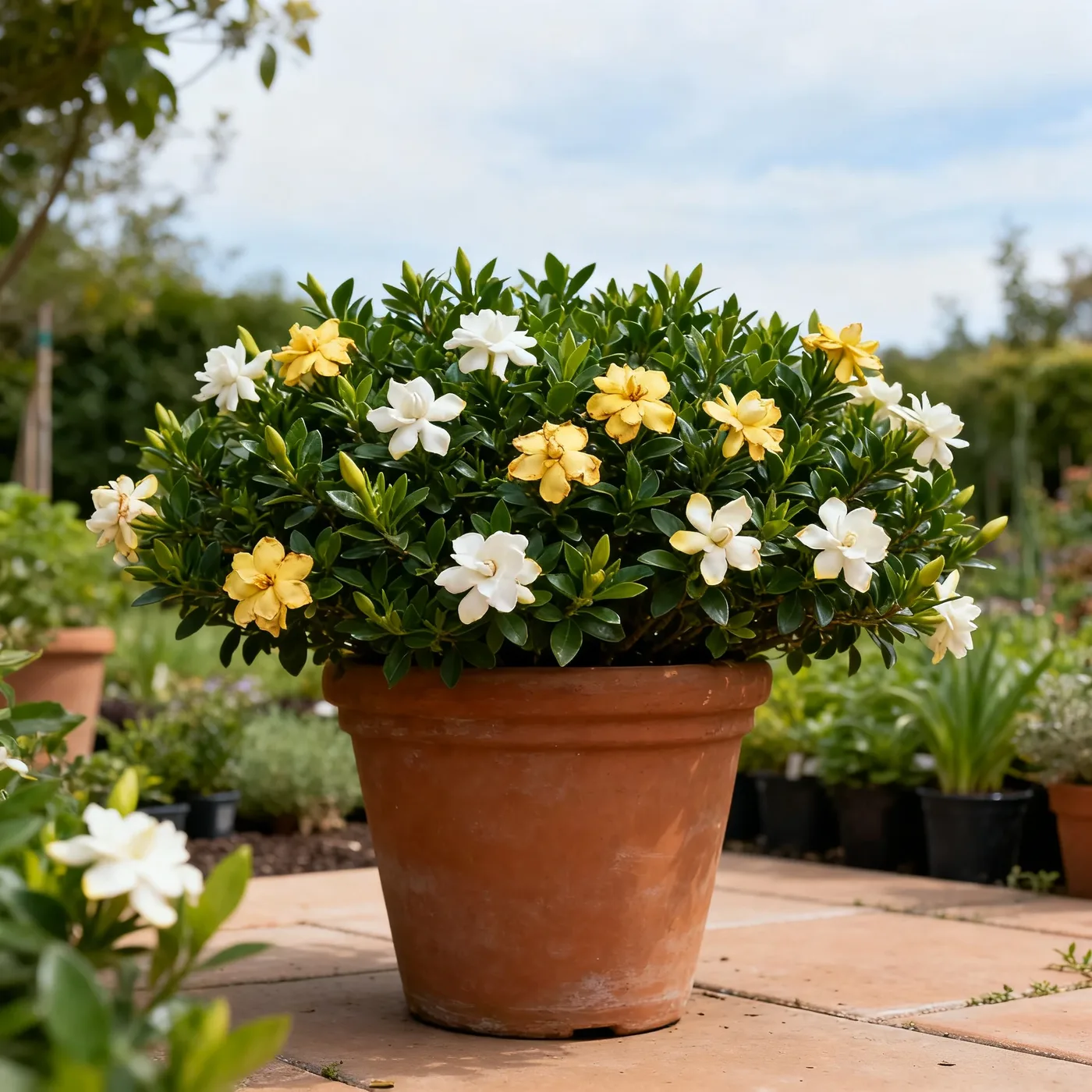
Dwarf Gardenia Radicans and Kleim's Hardy are the two dwarf gardenias people most often weigh against each other, and cold is where they split. Radicans is a low, spreading plant with a narrow cold range. Kleim's Hardy is taller, mounds rather than spreads, and carries a 10°F rating.
This guide covers everything you need to know about choosing between them, from finding your real coldest night to the zone 8 and zone 7 decisions, plant shape in snow and wind, and covering young plants through their first winter.
Your Coldest Night Comes Before Any Plant Choice
Start with the lowest number your bed has seen, not the zone printed on a plant tag. For Kleim's Hardy you have a clear benchmark, because Clemson lists it as hardy to 10°F. For Radicans the sources we trust give a zone range instead of a temperature, so your zone has to do the work.
Find your zone on the USDA map, then check it against your own winters. A min/max thermometer set in the bed itself beats the airport reading, because cold air pools in low corners and an open yard runs colder than the town forecast. Write down the lowest reading each winter and keep several years of them.
We often see people buy by the zone on the tag and then find their yard sits half a zone colder than the map says. Our zones guide covers Radicans on its own, and this guide sets it beside Kleim's Hardy.
Check the name on the tag too. The University of Florida notes that some nurseries sell 'Prostrata' as 'Radicans' and lists it for zones 8 through 10, while NC State gives Radicans zones 7b through 8b. If your plant is labeled Prostrata, use the stricter range. The decision here is simple: know your lowest reading and your zone before you read on.
Dwarf Gardenia Radicans in Zone 8 Needs Little Fuss
In zone 8, plant Radicans. Its 7b–8b range covers all of zone 8, and at 6–12 inches tall with a 2–3 foot spread, one plant fills a patch that Kleim's Hardy would fill by standing up. It works well as a foundation plant, low-hedge groundcover or border.
Little fuss does not mean none. Radicans is not frost tolerant and should be protected from cold winter winds, so the work in zone 8 is siting. Put it on the lee side of a wall, fence or evergreens, not in the open corner where the north wind runs.
Give it what the rest of the gardenia family wants: acid soil below pH 6.0, moist but well drained, with morning sun and afternoon shade. Root rots are linked mainly to poorly drained soils, so raise the bed if your yard holds water. Our planting guide walks through the hole and the soil mix.
Kleim's Hardy grows about 3 feet tall and wide, so in zone 8 you would give up bed space for cold tolerance you will not use. The one exception is zone 8a. If your lowest readings sit at the cold end of the zone, or the bed is open to wind, follow the zone 7 advice below. Otherwise the choice is made: Radicans.
What Zone 7 Asks of Dwarf Gardenia Radicans
Zone 7 is where this choice gets real. Radicans starts at 7b, and Mississippi State says dwarf gardenia can survive most winters in 7b. Notice the word most. Zone 7a falls outside the range for Radicans altogether.
One of the most common questions we get is whether a zone 7 winter will kill Radicans. Clemson says gardenias can be killed to the ground in severe winters and often regenerate in spring, but it also warns that dwarf cultivars are often more cold sensitive. Brown tops in March do not mean a dead plant, so wait for new growth before you dig anything out.
If you want to try it in 7b, stack the odds. Choose the most sheltered bed you have, against a wall or behind a windbreak, mulch the roots, and keep frost cloth ready, as laid out in our winter care guide for cold climates. Plant it where you can see it from a window so you check it after every cold snap.
For 7a, skip the gamble. Kleim's Hardy grows in zones 7 to 11, which makes it the better bet. Our call: in 7b, Radicans is worth the risk only with a sheltered site and cover on hand, and in 7a it is not.
Sprawling Mat or Upright Mound for Your Bed
Shape decides how a plant meets winter weather almost as much as the zone does. Radicans is a low mat, 6–12 inches tall and 2–3 feet wide. Kleim's Hardy reaches about 3 feet tall and wide and has a mounding habit. The table lines up the figures we can source.
| Trait | Radicans | Kleim's Hardy |
|---|---|---|
| Height | 6–12 inches | About 3 feet |
| Spread | 2–3 feet | About 3 feet |
| Habit | Low, spreading | Mounding |
| Zones (NC State) | 7b–8b | 7–11 |
| Cold rating | No °F figure, called not frost tolerant | Hardy to 10°F |
Snow and wind treat the two shapes differently. A mat hugging the ground gives wind almost nothing to grab, and fallen snow or a layer of mulch settles right over its stems. The tradeoff is that the coldest air collects at ground level, so a low bed in a frost pocket still needs watching.
A mound stands up into the wind with all its leaves exposed, and heavy wet snow can bend the branches of a 3 foot shrub. That is why we like even the hardier plant out of a straight wind line.
Pick by job. Radicans suits edging, slopes and the strip under a window. Kleim's Hardy suits a foundation corner or the side of a walkway, where its compact size fits well.
Where Kleim's Hardy Beats Dwarf Gardenia Radicans in Winter
Kleim's Hardy wins on cold, and we will say so plainly. Clemson gives it a 10°F rating, it grows in zones 7 to 11, and Arkansas Extension names it among the most cold-hardy selections to look for in the zone 6 northwest corner of that state. Radicans has no cold figure to match.
The price is habit. Kleim's Hardy is a 3 foot mound with single flowers, so it will not knit into a low carpet the way Radicans does, and it takes more bed space. You also lose the ground-hugging look that makes Radicans useful along edges and slopes.
Choose Kleim's Hardy in zone 7a, in a zone 7b bed open to wind, or anywhere your lowest readings keep dropping toward 10°F. It also suits pots, since its compact size is ideal for containers and small spaces. Our guide to growing Radicans in containers covers the acid potting mix, and that advice carries over.
We grow and sell Radicans, so weigh our bias, but this is our honest answer. If your winter lows fall below 10°F, even Kleim's Hardy is past its rating, so plan on pots you can move indoors or pick a different shrub.
What to Buy and How to Cover It the First Winter
Buy for your zone, then read the tag closely. Look for the cultivar name, since Prostrata and Radicans can be sold as the same plant, and for firm, deep green leaves. Sticky leaves or a black film point to whitefly, which the Texas A&M plant disease handbook ties to sooty mold. A bigger container means more root going into the first winter, and our guide to container sizes explains what each holds.
Plant in spring so the roots have a full season before the first freeze. A first-year plant of either cultivar has had little time to root, so cover Kleim's Hardy too, whatever its 10°F rating. Here is the routine we would follow, in order.
- Mulch the root zone once the ground cools, and keep the mulch an inch or so back from the stems so they stay dry.
- Put the shears away. Prune after flowering in summer, so fall cuts only invite tender growth ahead of frost.
- Water well before a hard freeze if the soil is dry, but never leave it soggy, since gardenias suffer in poorly drained ground.
- Set stakes or a light frame over the plant and drape frost cloth or burlap on it before the coldest nights, keeping the fabric off the leaves where you can.
- In spring, wait for new growth before cutting back brown tops, because the plant may regenerate from the base.
Pull the cover on mild days so the plant does not cook or sit wet under fabric. Keep it on for the nights your own thermometer flags as dangerous, using the readings you started logging at the beginning.
One Winter Rule for Dwarf Gardenia Radicans and Kleim's Hardy
Here is the rule: plant Radicans if your usual winter low stays in zone 8, plant it only with shelter and cover in 7b, and plant Kleim's Hardy in 7a or any bed that takes the wind. Everything above comes down to that line.
Radicans comes first in mild winters because nothing else in this pairing does what it does. It is a 6–12 inch mat that spreads 2–3 feet, and it works for foundation, groundcover and border use. If your winter allows it, you get a low, tidy plant without paying in height.
Treat the rule as a default, not a law. One mild winter proves little, and severe winters can kill gardenias to the ground. Judge by your coldest reading across several years, and move one step toward Kleim's Hardy if your bed is exposed.
If you land between the two, use both. Put Kleim's Hardy on the windy side as a taller screen and Radicans in the sheltered ground in front of it. The mound takes the first blast and the mat gets the benefit.
Match the Gardenia to Your Winter Low
Radicans is the plant for zone 8 and for sheltered, covered beds in 7b. Kleim's Hardy, rated to 10°F, is the plant for 7a, exposed sites and pots. Both want acid soil, good drainage and cover through the first winter.
Write down this winter's lowest reading, then choose from it. If it stays in zone 8 territory, plant Radicans. If it dips lower or the bed catches wind, plant Kleim's Hardy.
Dwarf Gardenia Radicans
Nursery-grown Dwarf Gardenia Radicans in sizes from 1 Gallon, shipped to your door.
From $36.97
Shop Now →When winter lows decide which gardenia lives, it helps to buy from people who have watched the plant through a cold snap. Our Dwarf Gardenia Radicans stands in acidic, well-drained beds on our farms, catching the morning sun and resting in shade once the afternoon heat builds. We raise and sell only top-quality plants from our own small operation, so look through what is in stock now once your thermometer has helped you choose.